Katherine Merry: The Inspiring Journey of an Olympic 400m Champion
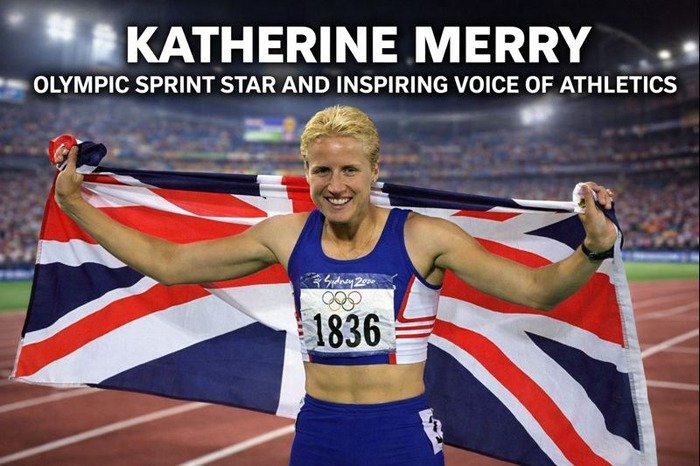
Katharine Merry is a name that stands out in the world of athletics, especially in the 400 meters sprint. Known for her determination, resilience, and competitive spirit, she carved a place among the elite athletes of her era. From her early beginnings to winning an Olympic medal and transitioning into a successful media career, her story is both inspiring and insightful.
This article explores her life, achievements, struggles, and legacy in detail.
Table of Contents
ToggleEarly Life and Background
Childhood and Education
Katherine Merry was born on September 21, 1974, in Dunchurch, Warwickshire, England. From a young age, she displayed natural athletic ability. Growing up in a supportive environment, she was encouraged to pursue sports, which eventually led her to athletics.
Early Interest in Athletics
Her journey into sprinting began during her school years. She quickly stood out in local competitions due to her speed and stamina. Coaches recognized her potential early, and she began focusing on sprint events, particularly the 200m and 400m races.
Rise in Athletics Career
Junior Level Success
Before stepping onto the global stage, Merry had already built a strong reputation at the junior level. She competed in national and international youth competitions, consistently delivering strong performances. These early victories laid the foundation for her future success.
Transition to Professional Athletics
Moving into senior-level competitions was not easy, but Katherine Merry adapted quickly. Her discipline and consistent training helped her compete against some of the world’s best athletes. She gradually improved her timings and gained recognition in major championships.
Olympic Glory
Breakthrough at the Sydney Olympics
The defining moment of her career came at the 2000 Summer Olympics. Competing in the highly competitive 400 meters event, Katherine Merry delivered an outstanding performance and secured a bronze medal.
Significance of the Medal
Winning an Olympic medal is one of the highest achievements for any athlete. For Merry, it was the result of years of hard work, perseverance, and dedication. Her achievement also brought pride to Great Britain and inspired many young athletes.
Career Highlights and Achievements
Personal Best Performances
Katherine Merry achieved impressive personal bests during her career:
- 400 meters: 49.59 seconds
- 200 meters: 22.76 seconds
- 100 meters: 11.34 seconds
Her 400m timing, in particular, placed her among the top sprinters globally during her peak years.
Consistency at the Elite Level
One of the most remarkable aspects of her career was her consistency. Competing at a high level over several years requires not only physical strength but also mental resilience. Merry demonstrated both, maintaining her performance against tough international competition.
Challenges and Injuries
Struggles with Injuries
Like many athletes, Katherine Merry faced injuries during her career. These challenges tested her determination and often interrupted her training and competition schedule.
Impact on Performance
Injuries can significantly affect an athlete’s momentum. Despite these setbacks, she continued to compete and perform at a high level, showcasing her strong mindset and commitment to the sport.
Retirement from Athletics
Decision to Retire
In 2005, Katherine Merry decided to retire from professional athletics. The decision was largely influenced by recurring injuries that made it difficult to maintain peak performance.
Life After Retirement
Retirement marked the end of her competitive career, but it also opened new doors. She transitioned smoothly into a different role within the sports industry.
Career in Media and Broadcasting
Transition to Television
After retiring, Katherine Merry became a familiar face in sports broadcasting. She worked as a presenter and commentator, sharing her insights and expertise with audiences.
Work with Major Broadcasters
She has been associated with well-known organizations such as BBC, where she covered athletics events, including the Olympics and other major competitions.
Influence as a Sports Analyst
Her experience as a former athlete gives her a unique perspective. She provides in-depth analysis, helping viewers understand the technical and strategic aspects of athletics.
Legacy and Impact
Inspiration for Young Athletes
Katherine Merry’s journey is a source of inspiration for aspiring athletes. Her story highlights the importance of hard work, discipline, and resilience.
Contribution to Athletics
Even after retirement, she continues to contribute to the sport through media and public engagement. Her voice remains influential in promoting athletics and encouraging participation.
Quick Info About Katherine Merry
- Full Name: Katharine Merry
- Date of Birth: September 21, 1974
- Nationality: British
- Sport: Athletics
- Specialization: 400 meters sprint
- Olympic Achievement: Bronze medal (2000)
- Retirement Year: 2005
- Post-Retirement Role: Sports commentator and presenter
FAQs About Katherine Merry
Who is Katherine Merry?
Katherine Merry is a former British sprinter who specialized in the 400 meters and won a bronze medal at the 2000 Olympics.
What is her biggest achievement?
Her biggest achievement is winning the bronze medal in the 400m event at the Sydney Olympics in 2000.
What was her best 400m time?
Her personal best in the 400 meters is 49.59 seconds.
Why did she retire?
She retired in 2005 due to ongoing injuries that affected her ability to compete at the highest level.
What does she do now?
After retirement, she became a sports commentator and presenter, working with major broadcasters.
Is she still involved in athletics?
Yes, she remains involved through media coverage and commentary on major athletics events.
Conclusion
Katherine Merry’s journey from a young athlete to an Olympic medalist and respected broadcaster is a powerful example of dedication and perseverance. Her achievements on the track and her continued contribution off the track make her a significant figure in athletics.
Her story reminds us that success is not just about winning medals but also about resilience, growth, and the ability to adapt to new challenges.