Oral Minoxidil Before and After: Real Results, Benefits, Side Effects, and Hair Growth Timeline
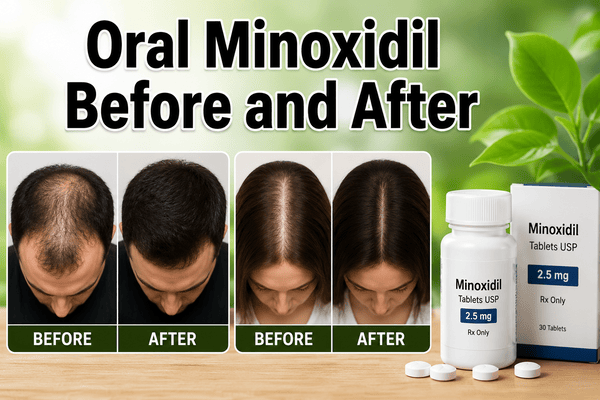
Hair loss affects millions of people worldwide, and finding an effective solution can feel overwhelming. One treatment that has gained significant attention in recent years is oral minoxidil. Originally developed as a blood pressure medication, oral minoxidil is now widely used for promoting hair growth in both men and women. Many people searching for “oral minoxidil before and after” want to know whether the treatment truly works, how long it takes to show results, and what side effects they should expect.
This guide explains everything you need to know about oral minoxidil, including real before-and-after expectations, benefits, possible risks, and results for women.
What Is Oral Minoxidil?
Oral minoxidil is a prescription medication that helps stimulate hair growth. Unlike topical minoxidil, which is applied directly to the scalp, oral minoxidil is taken in tablet form. It works by improving blood circulation to hair follicles and extending the hair growth cycle.
Doctors often prescribe low doses of oral minoxidil for people experiencing:
- Male pattern baldness
- Female pattern hair loss
- Thinning hair
- Receding hairline
- Diffuse hair shedding
Because the medication works internally, many users find it more convenient than applying topical solutions every day.
Oral Minoxidil Before and After: What Results Can You Expect?
The most common question people ask is how effective oral minoxidil really is. Before-and-after results vary depending on age, genetics, dosage, and the severity of hair loss. However, many users report noticeable improvements within a few months.
Early Stage: Weeks 1–8
During the first few weeks, some people experience temporary hair shedding. This can seem alarming, but it is usually a sign that weaker hairs are falling out so healthier hairs can grow.
Common experiences during this stage include:
- Increased shedding
- Mild scalp sensitivity
- No major visible improvement yet
This phase is temporary for most users.
Mid Stage: Months 3–4
By the third or fourth month, users often begin noticing positive changes such as:
- Small baby hairs appearing
- Reduced hair shedding
- Slightly thicker hair texture
- Improved hair density
The hairline and crown area may start looking fuller during this stage.
Long-Term Stage: Months 6–12
Most significant before-and-after transformations appear between six and twelve months of consistent use.
Long-term improvements may include:
- Fuller hair coverage
- Increased hair thickness
- Better scalp coverage
- Healthier-looking hair
- Slower hair loss progression
People with early-stage hair thinning generally see better outcomes than those with advanced baldness.
Oral Minoxidil Before and After Women
Women experiencing hair thinning are increasingly turning to oral minoxidil because of its convenience and effectiveness. Female hair loss often appears as diffuse thinning across the scalp rather than a receding hairline.
How Oral Minoxidil Helps Women
Low-dose oral minoxidil may help women by:
- Increasing hair density
- Improving hair volume
- Reducing excessive shedding
- Supporting healthier hair growth
Women often prefer oral minoxidil because it avoids the greasy texture that topical products can leave behind.
Before-and-After Results for Women
Many women notice gradual improvements after several months of treatment. Common changes include:
- More volume around the crown
- Reduced visibility of the scalp
- Stronger and thicker strands
- Healthier overall appearance
Results can take time, so consistency is extremely important.
Benefits of Oral Minoxidil
Oral minoxidil has become popular because it offers several advantages compared to other hair loss treatments.
Convenient to Use
Taking a small tablet daily is easier for many people than applying a topical solution twice a day.
Better Overall Coverage
Because the medication works through the bloodstream, it may stimulate hair growth across the entire scalp.
Suitable for Men and Women
Oral minoxidil can be effective for both genders when prescribed correctly.
May Improve Beard Growth
Some men report thicker beard growth while taking oral minoxidil, although results vary from person to person.
Possible Side Effects of Oral Minoxidil
Like any medication, oral minoxidil may cause side effects in some users. Most side effects are mild when low doses are used, but medical supervision is still important.
Common Side Effects
Increased Body Hair
Extra facial or body hair growth is one of the most commonly reported side effects.
Water Retention
Some users experience mild swelling in the hands, feet, or face.
Fast Heartbeat
Oral minoxidil can sometimes increase heart rate.
Dizziness
Low blood pressure or dizziness may occur, especially during the early stages of treatment.
Serious Side Effects
Although uncommon at low doses, serious reactions can happen. Anyone experiencing chest pain, severe swelling, or breathing difficulties should seek medical attention immediately.
Who Should Avoid Oral Minoxidil?
Oral minoxidil may not be suitable for everyone. People with certain health conditions should consult a healthcare professional before starting treatment.
This includes individuals with:
- Heart conditions
- Low blood pressure
- Kidney disease
- Pregnancy or breastfeeding concerns
A doctor can determine whether oral minoxidil is safe based on your medical history.
Tips for Getting Better Results
Consistency plays a major role in achieving noticeable before-and-after improvements.
Take It Regularly
Skipping doses may reduce effectiveness.
Be Patient
Hair growth is slow, and results usually take several months.
Follow Your Doctor’s Instructions
Never increase the dosage without medical guidance.
Maintain Healthy Hair Habits
A balanced diet, proper sleep, and stress management can support healthier hair growth.
Oral Minoxidil vs Topical Minoxidil
Many people compare oral minoxidil with topical minoxidil before deciding which option to choose.
| Feature | Oral Minoxidil | Topical Minoxidil |
|---|---|---|
| Application | Tablet | Applied on scalp |
| Convenience | Easy daily pill | Requires regular application |
| Scalp Irritation | Rare | More common |
| Whole Scalp Coverage | Yes | Limited to applied areas |
| Prescription Needed | Usually yes | Often no |
Both treatments can be effective, but personal preference and medical advice should guide the decision.
Quick Info About Oral Minoxidil
| Topic | Information |
|---|---|
| Treatment Type | Prescription oral medication |
| Main Use | Hair regrowth and reducing hair loss |
| Results Timeline | Usually 3–6 months |
| Best Results | Often seen after 6–12 months |
| Suitable For | Men and women |
| Common Side Effects | Extra hair growth, swelling, dizziness |
| Requires Consistency | Yes |
FAQs About Oral Minoxidil Before and After
Does oral minoxidil really work for hair growth?
Many users experience thicker hair and improved density after several months of consistent use. Results vary between individuals.
How long does oral minoxidil take to show results?
Some people notice early improvements within three to four months, while stronger results often appear after six months or longer.
Is shedding normal with oral minoxidil?
Yes, temporary shedding can occur during the beginning stages of treatment. This phase is usually short-term.
Can women use oral minoxidil?
Yes, low-dose oral minoxidil is commonly prescribed for women experiencing thinning hair.
Do results disappear after stopping oral minoxidil?
Hair growth improvements may gradually reverse if treatment is discontinued.
Is oral minoxidil better than topical minoxidil?
Both can be effective. Oral minoxidil is often preferred for convenience, while topical minoxidil works directly on the scalp.
Final Thoughts
Oral minoxidil has become one of the most talked-about hair loss treatments because many users experience visible hair regrowth and thicker hair over time. The most dramatic oral minoxidil before and after transformations usually appear after several months of consistent use. While results vary, the treatment has shown promising outcomes for both men and women dealing with thinning hair.